Will storing coffee or tea in a thermos flask cause its inner lining to corrode?
Analysis of the Materials and Corrosion Resistance of Inner Linings in Thermos Flasks
Modern thermos flask inner linings mainly fall into two major categories:
Stainless Steel Inner Linings
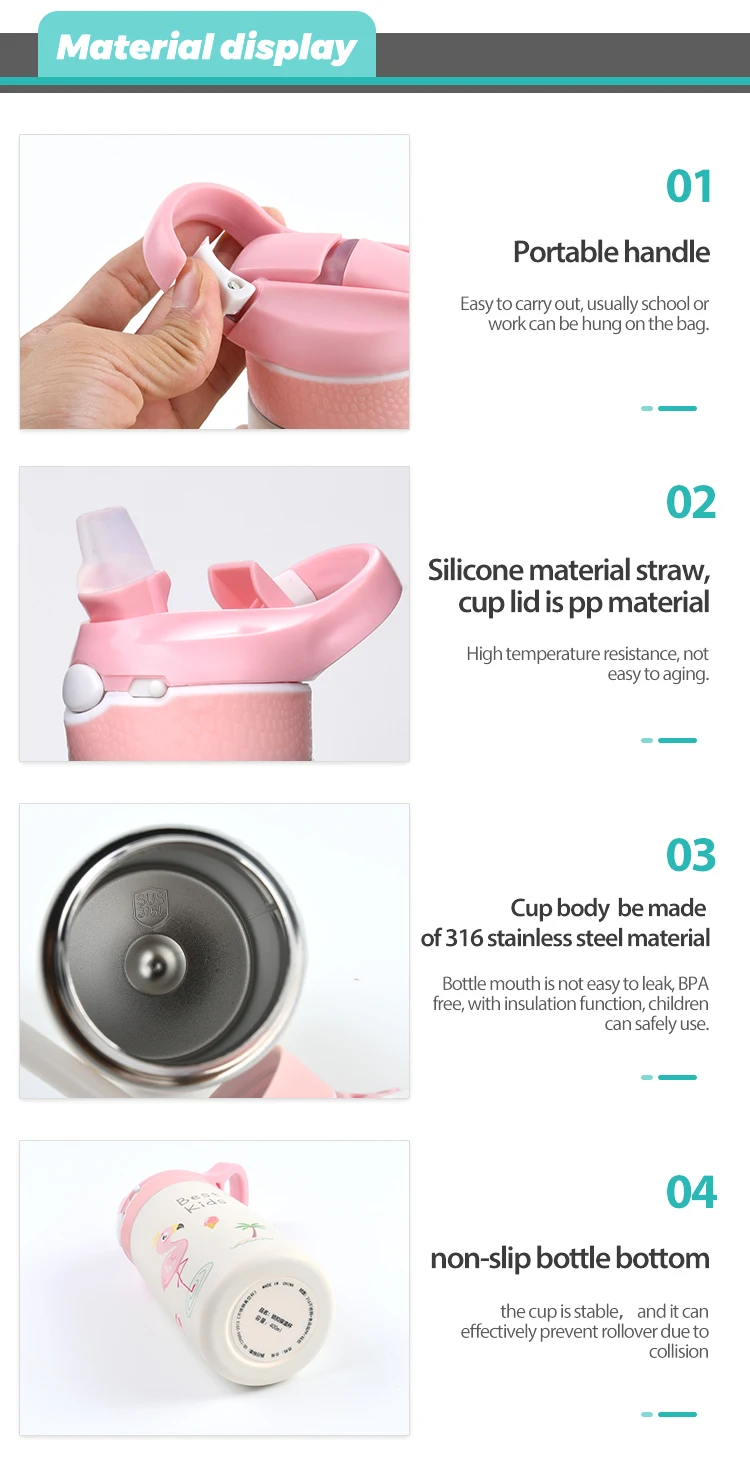
The mainstream options are 304 and 316 medical-grade stainless steel.
304 Stainless Steel: It contains 18% chromium and 8% nickel, offering good corrosion resistance.
316 Stainless Steel: It has an additional 2% molybdenum, providing superior corrosion resistance, especially against chloride ion corrosion.
Glass Inner Linings
Glass has extremely stable chemical properties and hardly reacts with any beverages.
Actual Impacts of Coffee and Tea on Thermos Flasks
Impact of Coffee
Acidity Issue: Coffee has a pH value of about 5 (weakly acidic), which is far from reaching the level that can corrode stainless steel.
Actual Risk: Long-term storage may cause discoloration on the inner wall, but it will not corrode qualified stainless steel inner linings.
Professional Advice: 316 stainless steel is more suitable for long-term storage of coffee, but 304 stainless steel is also entirely adequate for daily use.
Impact of Tea
Tannic Acid Impact: Tea contains tannic acid (with a pH value of 4 - 6), and its extremely low concentration is insufficient to corrode metals.
Main Problem: Tea stain deposition may affect aesthetics, but will not compromise the integrity of the inner lining.
Industry Testing: Standard salt spray tests show that tea stain residues have no significant impact on the corrosion resistance of stainless steel.
Industry Usage Specifications and Maintenance Recommendations
Material Selection Guide
For Daily Use, 304 stainless steel is completely sufficient.
For Special Needs (such as long-term storage of acidic beverages): It is recommended to choose 316 stainless steel.
Proper Maintenance Methods
Prompt Cleaning: It is advisable to clean the thermos within 12 hours after use.
Use a Soft Cloth and Neutral Cleaning Agents.
For Stubborn Stains: Soak them in warm water with baking soda.
Store After Complete Drying.
Industry Certification Standards
Products that comply with the GB/T 29606-2013 (Stainless Steel Vacuum Flasks) standard can be used with confidence. The Japanese JIS S2037 and the US FDA standards also serve as reference bases.
Misconceptions
Coffee rusts stainless steel: False, qualified products won't rust under normal use.
Tea stains mean corrosion: No, just deposits, removable with citric acid or cleaners.
Glass linings are always safer: Not true, high-quality stainless steel is safe and durable too.
Conclusion
Select thermos products that meet national standards. Coffee and tea will not cause substantial corrosion. Consumers can use them with confidence and only need to pay attention to prompt cleaning to maintain the products in their best condition.