

What are the advantages and disadvantages of Tritan lunch boxes and PP lunch boxes?
1. Advantages and Disadvantages of Tritan Lunch Boxes
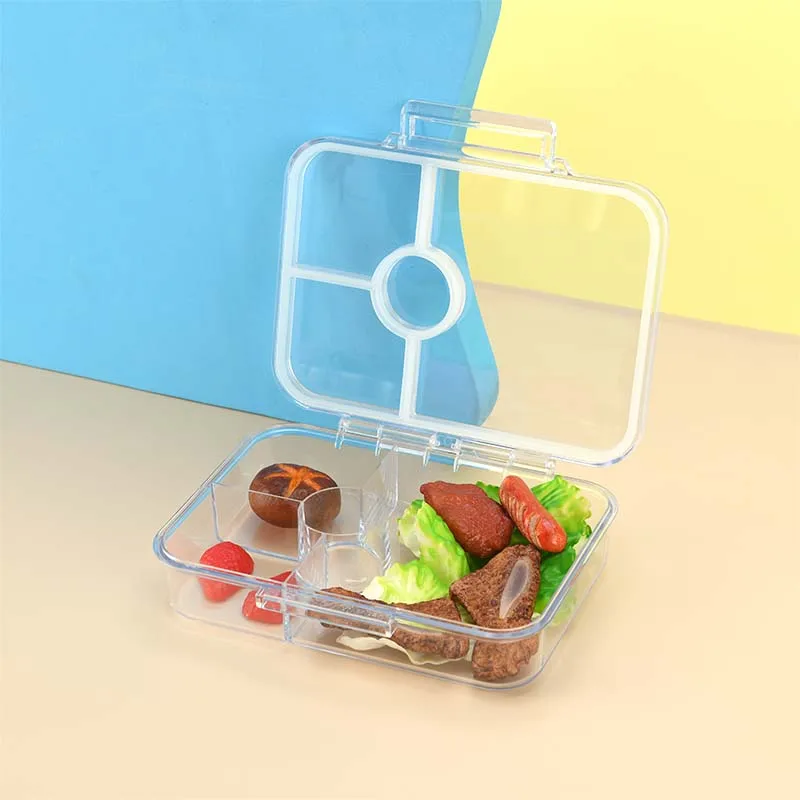
Advantages:
High Safety: Tritan material is free from Bisphenol A (BPA) and has passed international certifications such as FDA and LFGB, making it suitable for use by infants and in contact with food.
High Transparency: With light transmittance close to that of glass, it has a high-end appearance and is ideal for displaying food.
Good Temperature Resistance: It can withstand temperatures ranging from -40°C to 109°C, making it suitable for microwave heating and refrigeration, but not for prolonged high-temperature steaming.
High Impact Resistance: It is more drop-resistant than ordinary plastics, resulting in a longer service life.
Odor and Stain Resistance: It does not absorb food odors and is easy to clean, with no easy residue of stains.
Disadvantages:
High Cost: The price is 2 - 3 times that of PP lunch boxes, which affects its popularity in the mass market.
Limited High-Temperature Resistance: Deformation may occur if exposed to temperatures above 100°C for a long time, making it unsuitable for high-temperature steaming or oven use.
2. Advantages and Disadvantages of PP Lunch Boxes
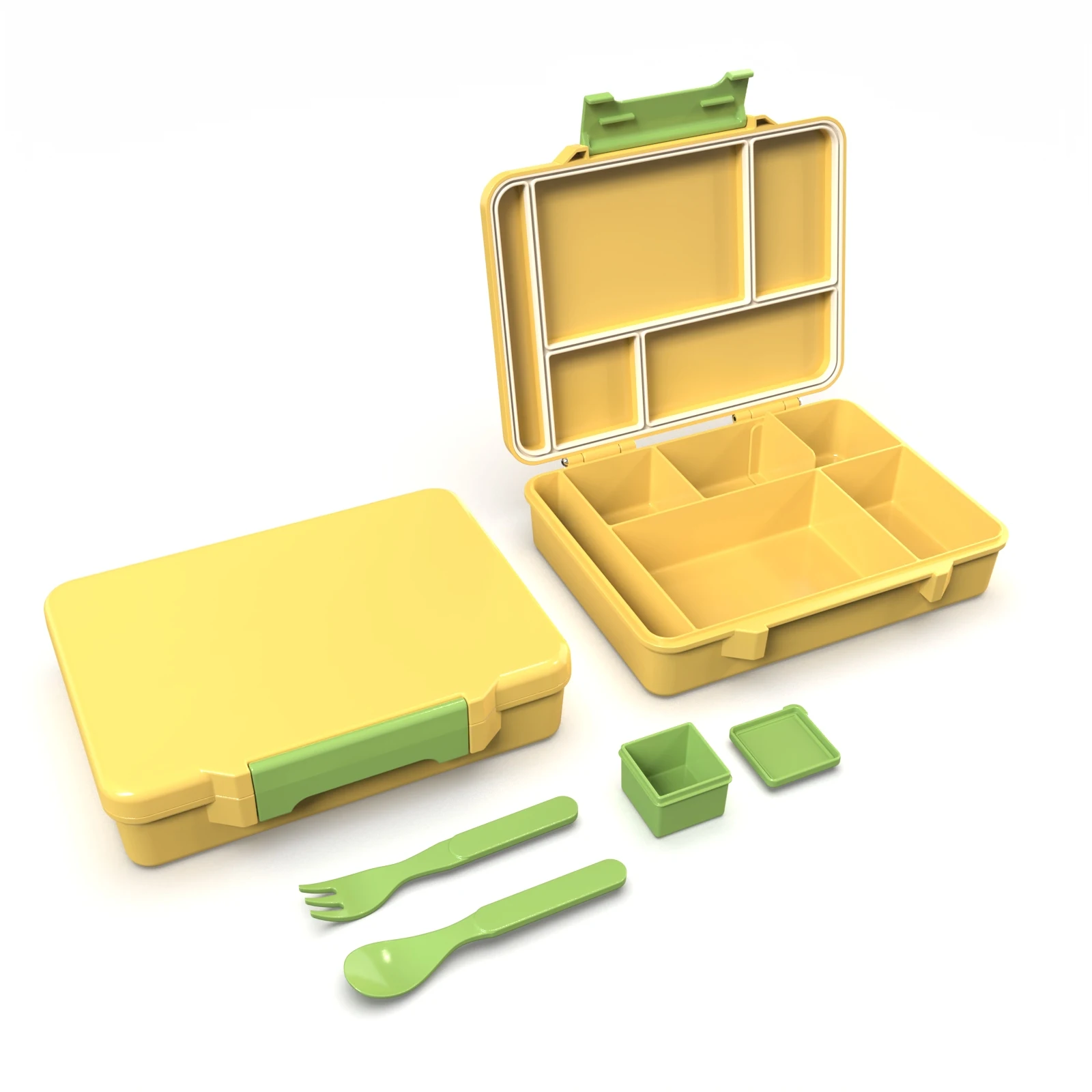
Advantages:
Low Price: PP (polypropylene) is a common food-grade plastic with low production cost, suitable for the mass consumer market.
High-Temperature Resistance: It can withstand temperatures around 120°C, suitable for microwave heating, and some products can be steamed for a short time.
Lightweight and Durable: It is lightweight, has good toughness, and is not easy to break.
Strong Chemical Stability: It is resistant to acids and alkalis and is not easily react with food.
Recyclable and Environmentally Friendly: It belongs to No. 5 plastic (PP) with a mature recycling system, in line with environmental trends.
Disadvantages:
Low Transparency: It is prone to yellowing and fogging after long-term use, affecting aesthetics.
Odor Residue: After holding greasy or strong-smelling food, odors may remain.
Poor Abrasion Resistance: The surface is easy to scratch, affecting the service life.
Brittleness at Low Temperatures: It may become brittle in cold environments, increasing the risk of breakage.
Summary:
Tritan excels in safety, clarity, and durability, making it ideal for premium or health-conscious users.
PP remains the cost-effective standard for everyday use, though it compromises on transparency and odor resistance.
Future Trend: Growing health and environmental awareness may boost Tritan's market share, while PP retains dominance in budget segments.


