

Silicone vs. Stainless Steel Kids Dinnerware Sets: Which is Best for Your Child?
When it comes to selecting dinnerware for children, parents often face a dilemma between silicone and stainless steel. Both materials have their unique advantages and limitations, making the choice dependent on various factors such as the child's age, usage scenarios, and safety considerations. This article delves into the characteristics of both materials to help parents make an informed decision.
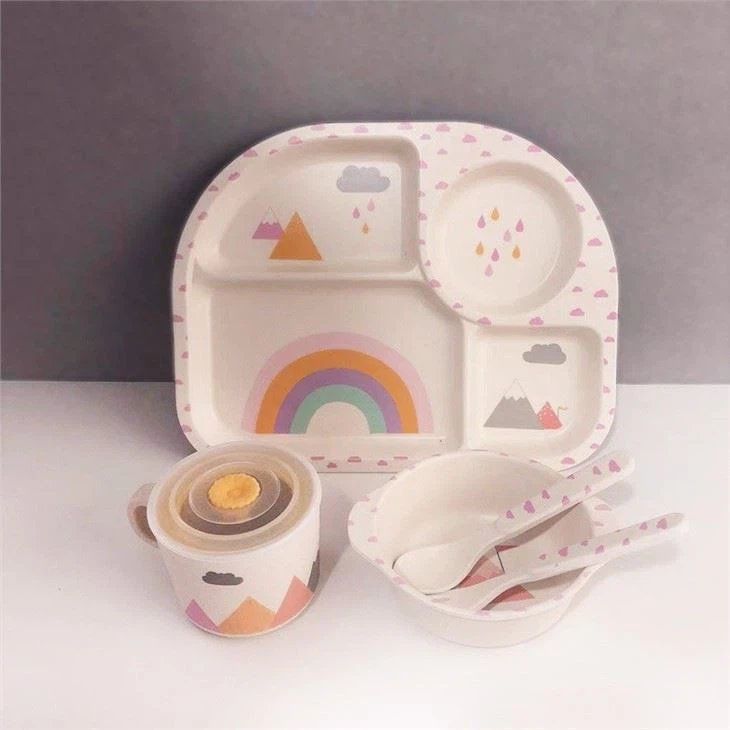
Silicone Kids Dinnerware Sets
Advantages
Safety and Non-Toxicity: High-quality silicone dinnerware is made from food-grade silicone that is BPA-free, PVC-free, and lead-free. It is generally considered safe for children and does not leach harmful chemicals under normal conditions. This makes it an excellent choice for parents concerned about chemical exposure.
Flexibility and Durability: Silicone is a soft, flexible material that is nearly indestructible. It can withstand drops, bends, and even being stepped on without breaking. This makes it ideal for active eaters who tend to be rough with their dishes.
Heat Resistance: Silicone dinnerware can withstand high temperatures, making it suitable for microwave use, boiling water sterilization, and even oven baking in some cases. This versatility is convenient for parents who need to heat up food quickly or sterilize dishes.
Lightweight and Easy to Handle: Silicone dinnerware is lightweight, making it easy for small hands to grip and maneuver. This is particularly beneficial for toddlers who are still developing their fine motor skills.
Design Variety: Silicone dinnerware comes in a wide range of bright, cheerful colors and fun shapes, which can attract children's attention and make mealtime more enjoyable. Some sets even feature suction bases to prevent spills and divided plates to help organize different types of food.
Limitations
Potential for Odor Retention: Silicone can retain odors if not cleaned properly, especially after prolonged use with strongly flavored foods. Regular cleaning and occasional boiling can help mitigate this issue.
Less Rigid: Compared to stainless steel, silicone is less rigid and may not hold food as well for older children who are learning to use utensils independently.
Quality Variation: There is a wide variation in the quality of silicone dinnerware on the market. Low-quality products may contain fillers or additives that could be harmful to children's health. It is crucial to choose products that are certified by reputable organizations such as the FDA or LFGB.
Stainless Steel Kids Dinnerware Sets
Advantages
Durability: Stainless steel is a highly durable material that can withstand frequent use and rough handling. It does not chip, crack, or shatter like ceramic or glass, making it ideal for children who tend to be clumsy.
Non-Reactive: High-quality stainless steel dinnerware, such as those made from 304 or 316 grade stainless steel, is non-reactive and does not leach harmful chemicals into food. This makes it a safe and healthy choice for children.
Easy to Clean: Stainless steel dinnerware is easy to clean and does not retain odors or stains. It can be washed by hand or in a dishwasher, making mealtime cleanup a breeze for busy parents.
Longevity: Stainless steel dinnerware sets are designed to last for years, making them a cost-effective investment for families. They can be passed down from one child to another or even used by adults.
Environmentally Friendly: Stainless steel is a recyclable material that has a lower environmental impact compared to plastic or disposable dinnerware. Choosing stainless steel dinnerware sets aligns with eco-conscious parenting practices.
Limitations
Weight: Stainless steel dinnerware is heavier than silicone, which may make it difficult for young children to handle. However, many manufacturers now offer lightweight stainless steel options specifically designed for children.
Heat Conductivity: Stainless steel is a good conductor of heat, which means that hot food or liquids can make the dinnerware hot to the touch. Parents need to be cautious when serving hot meals to prevent burns.
Potential for Scratches: While stainless steel is highly durable, it can still scratch over time with frequent use. Scratches can harbor bacteria if not cleaned properly, so regular inspection and cleaning are necessary.
Conclusion
Both silicone and stainless steel kids dinnerware sets have their unique advantages and limitations. Silicone is ideal for younger children who need soft, flexible, and lightweight dishes that are easy to handle and clean. It is also a great choice for parents who want to add a touch of fun and color to mealtime. On the other hand, stainless steel is more suitable for older children who need durable, non-reactive, and easy-to-clean dishes that can withstand frequent use. It is also a cost-effective and environmentally friendly option for families.
Ultimately, the best choice depends on the child's age, usage scenarios, and personal preferences. Some parents may even choose to combine both materials, using silicone dishes for younger children and transitioning to stainless steel as the child grows older. Regardless of the choice, it is crucial to prioritize safety and quality when selecting kids dinnerware sets.


