

Industry Interpretation of the 5 Recycling Mark on PP Lunch Boxes and the Truth of the Circular Economy
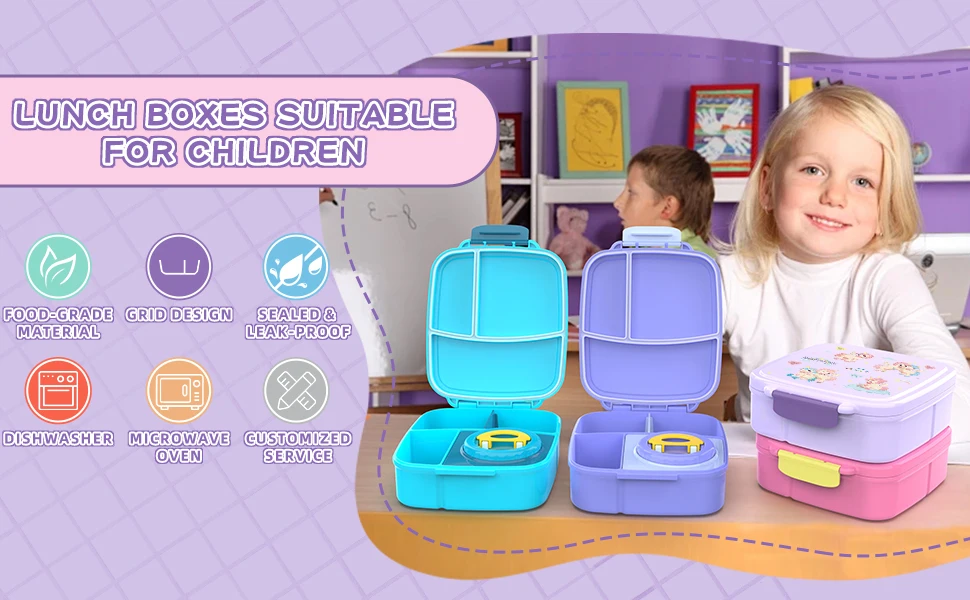
I. Basic Characteristics and Market Applications of PP (Polypropylene)
Polypropylene (PP) is a thermoplastic. Due to its characteristics of high-temperature resistance (above 120°C), chemical corrosion resistance, lightness, and low cost, it is widely used in food packaging, especially in microwave lunch boxes, takeaway containers, and fresh-keeping boxes. In the plastic classification coding system, the number "5" represents PP material, which is one of the theoretically recyclable plastic categories.
II. Current Situation of PP Recycling: The Gap between Ideal and Reality
Although PP is classified as a recyclable plastic, the actual recycling rate is far lower than expected. According to industry data, the global PP recycling rate is less than 10%, mainly due to the following reasons:
Difficulty in sorting: PP is often used in combination with other plastics (such as PE and PS), and food residues (grease, labels) increase sorting costs.
Insufficient economic viability: The price of recycled PP (rPP) is affected by oil price fluctuations. When the price of virgin plastic is low, recycling enterprises lack motivation.
Downcycling: Recycled PP is usually only used for low-end products (such as plastic pallets and garbage cans) and is difficult to return to food-grade applications.
III. Industry Dilemmas under Circular Economy
"Recyclable" ≠ "Recycled"
Although many PP lunch boxes are marked with a "recyclable" sign, the lack of a supporting recycling system results in most of them being landfilled or incinerated.
Consumer cognition misperception: Consumers mistakenly believe that "recyclable" means "environmentally friendly" and ignore the necessity of proper sorting and cleaning.
Attempts and Limitations of Chemical Recycling
Some enterprises are exploring pyrolysis technology to convert PP into fuel or monomers, but the energy consumption is high, and the degree of commercialization is low.
Biodegradable PP is still in the experimental stage and has not yet replaced traditional PP on a large scale.
IV. Industry Breakthrough Directions: From Recycling to Sustainable Design
Optimizing the Recycling System
Intelligent sorting technology: Using AI + spectral recognition to improve the sorting efficiency of PP.
Deposit refund system: Drawing on the PET bottle recycling model to encourage consumers to return PP lunch boxes.
Policy and Market Drivers
Extended Producer Responsibility (EPR): Brand owners are mandatorily required to assume the recycling responsibility for PP packaging.
Carbon tax/subsidy policies: Increasing the cost of virgin plastics and supporting the recycled PP industry.
Sustainable Product Design
Single-material PP packaging: Reducing composite structures (such as PP + aluminum foil) to enhance recyclability.
Reusable model: Promoting shared lunch boxes or recyclable delivery packaging.
V. How Can Consumers Contribute to the PP Cycle?
Proper disposal: Clean PP lunch boxes and remove food residues and labels.
Support recycled PP products: Choose daily necessities containing recycled plastics (such as clothes hangers and storage boxes).
Reduce disposable use: Give priority to reusable food containers.


