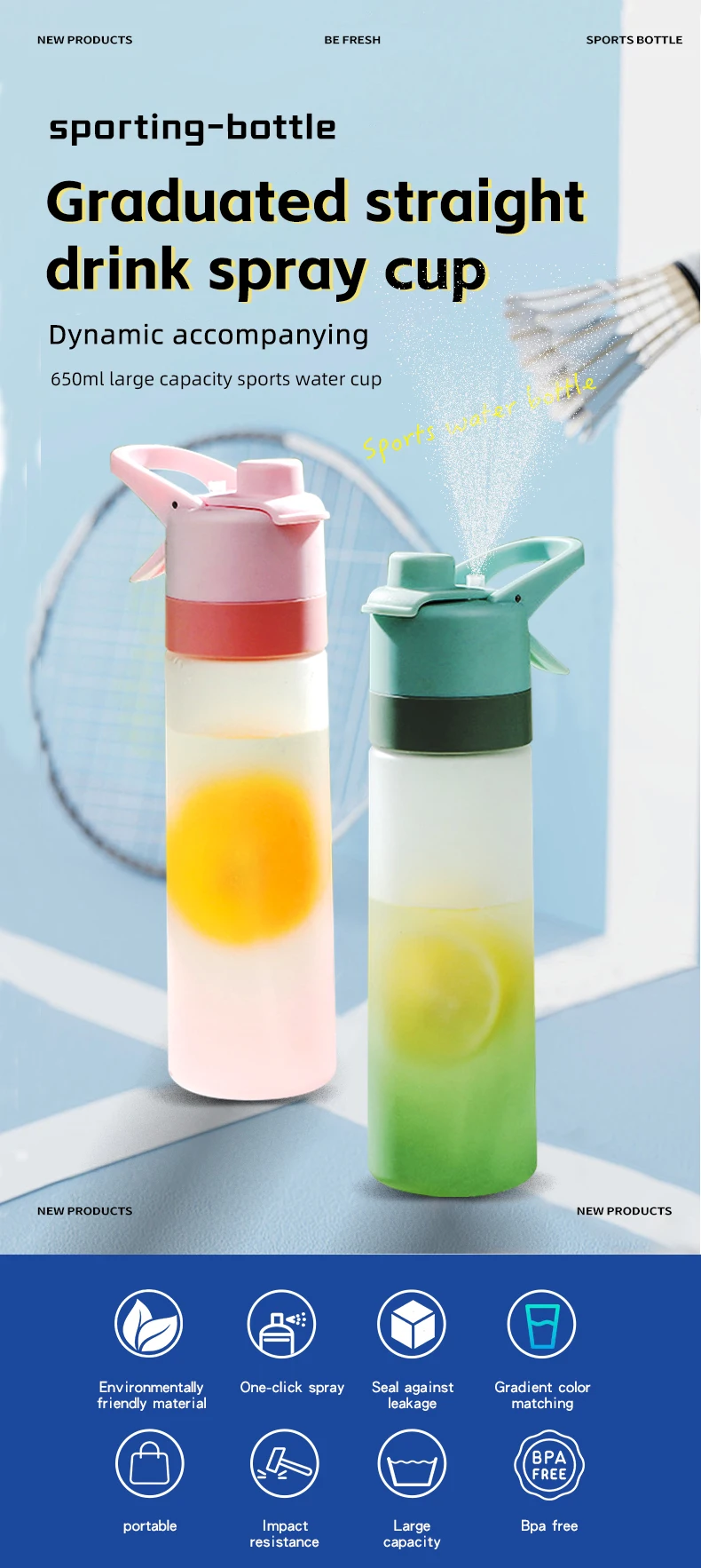
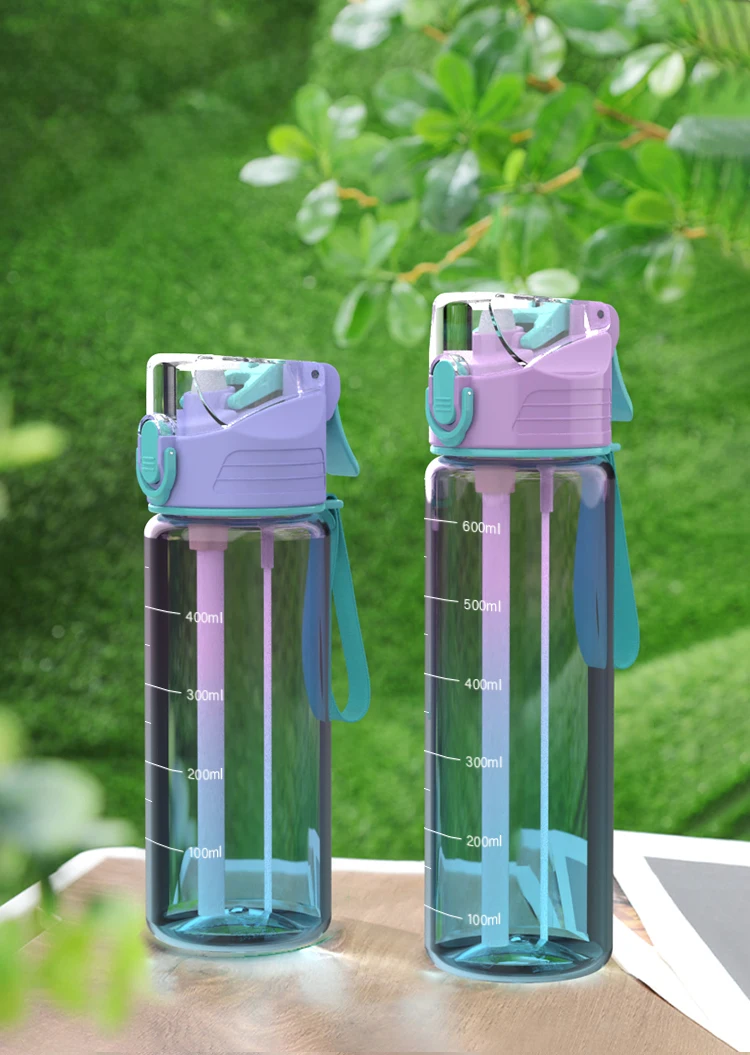
Comprehensive Guide to Buying and Maintaining Tritan Water Bottles
I. Analysis of Core Advantages of Tritan Material
Tritan, as a new generation of eco-friendly plastic material, exhibits exceptional performance in three key aspects:
Safety Performance: Its molecular structure fundamentally eliminates the presence of BPA and has passed multiple rigorous tests, including those by the US FDA and the EU EFSA.
Durability: It boasts an impact resistance 2-3 times that of PC material and a wear resistance more than 5 times greater than that of ordinary plastics.
User Experience: It maintains a light transmittance of over 90% and is less prone to developing odors and yellowing over the long term.
II. Detailed Explanation of Key Selection Criteria
Certification System Verification
Basic Certifications: Always check for the FDA and GB4806.7 dual certification marks.
Advanced Certifications: High-quality products will have additional international certifications such as LFGB and NSF.
Material Traceability: Authentic products should have an Eastman company authorization code, verifiable on the official website.
Process Quality Identification
Structural Design: Opt for a one-piece molded cup body and inspect the threaded interfaces for smoothness without burrs.
Sealing System: The silicone sealing ring should be embedded and fixed, with a thickness of no less than 2mm.
Component Quality: For straw products, confirm whether they have passed the test for migratable elements.
III. Scientific Usage Guidelines
Temperature Control Specifications
Safe Range: It is recommended to keep the daily usage within the range of -20°C to 95°C.
Hot Beverage Tips: Preheat the cup body before pouring hot water to avoid excessive temperature differences.
Extreme Warnings: Never place it directly over an open flame or heat it in a microwave oven.
Beverage Compatibility Recommendations
Recommended Beverages: Room-temperature water, tea, coffee, and other neutral beverages.
Limited Beverages: Carbonated drinks (storage not exceeding 4 hours), highly acidic juices (pH < 3.5).
Prohibited Beverages: Strong acid and alkali solutions, high-concentration alcoholic beverages.
IV. Professional Maintenance Plan
Daily Cleaning Standards
Basic Cleaning: Clean with a soft-bristle brush immediately after each use, paying special attention to the threaded cup mouth.
Deep Cleaning: Soak in a baking soda solution (5g/500ml) weekly to remove stains.
Disinfection Method: Scald with boiling water once a month for no more than 5 minutes.
Seasonal Maintenance Points
Humid Seasons: Add food-grade desiccants during storage to prevent mold growth.
Cold Environments: Preheat with warm water before use to avoid low-temperature brittleness.
Long-term Storage: Ensure complete dryness before separating and storing individual components.
V. Professional Answers to Common Questions
Q: How can I distinguish genuine Tritan material from fake ones?
A: You can identify it through the "three-look" method: look for official authorization marks, check the material's light transmittance, and smell for any pungent odors. It is advisable to purchase well-known brand products from regular channels.
Q: Does minor scratching on a Tritan water bottle affect its use?
A: Superficial scratches do not affect safety, but deep scratches (noticeable to the fingernail) warrant replacement. Avoid using abrasive materials like steel wool for daily cleaning.
Q: Why do products labeled as Tritan have such a wide price range?
A: The main differences lie in: ① Raw material grade (food-grade/industrial-grade), ② Production process (mold precision), ③ Component quality. It is recommended to choose professional brands priced in the mid-to-high range.
Professional Advice: When purchasing, prioritize brands that offer replacement services for individual components, as this can significantly extend the product's lifespan. Additionally, keep your purchase receipt, as some high-end brands provide material warranty services.