

Can PP Lunch Boxes Hold Acidic Foods? Avoid These Usage Misconceptions!
I. Material Characteristics of PP Lunch Boxes
PP (polypropylene) is a common food-grade plastic, heat-resistant (100 - 140℃), corrosion-resistant, and chemically stable, widely used in lunch boxes, etc. But its acid resistance isn't absolute; long-term exposure to strong acids can have an impact.
II. Can PP Lunch Boxes Hold Acidic Foods?
✅ Safe for short-term storage: For daily weak acidic foods like vinegar, lemon juice, and tomatoes, using PP lunch boxes for a few hours is safe. PP has good corrosion resistance and won't immediately release harmful substances.
❌ Not for long-term contact: Storing strongly acidic foods (e.g., high-concentration vinegar, pickled cabbage, carbonated drinks) long-term may age PP, increasing the chance of releasing trace substances. High-temperature and acidic environments (e.g., hot tomato soup) may accelerate the instability of plastic molecules. Use glass or stainless steel containers in such cases.
III. Common Misconceptions about Using PP Lunch Boxes
Misconception 1: All can be microwaved
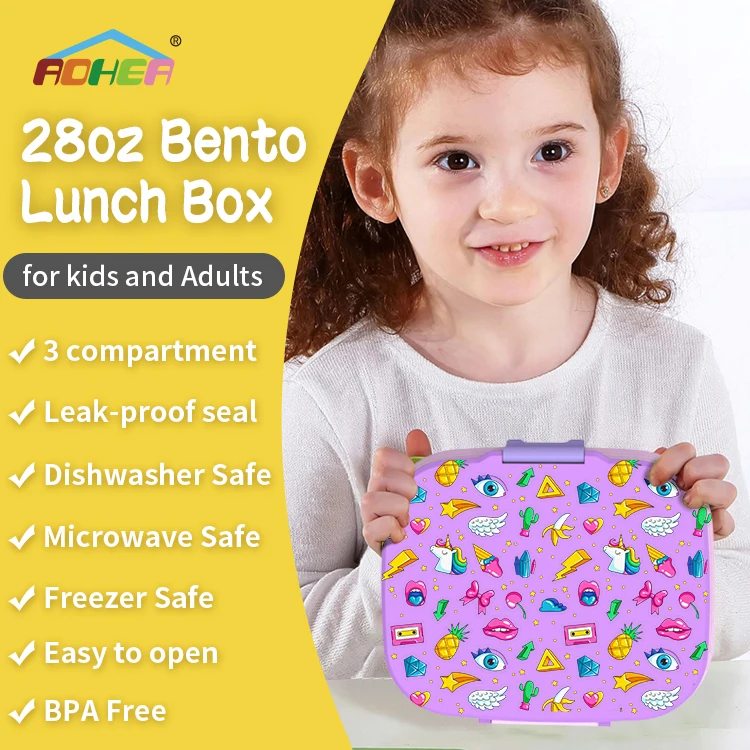
Only "microwave-safe" and heat-resistant (usually No. 5 PP) PP lunch boxes can be microwaved. Ordinary ones may deform. Avoid high-oil and high-sugar foods to prevent local overheating.
Misconception 2: Can be used indefinitely
Frequent heating and scratching damage the surface. Replace every 1 - 2 years. Stop using it immediately if cracks or yellowing appear.
Misconception 3: Can hold foods at any temperature
Though PP is heat-resistant, pouring freshly boiled soup (above 100℃) directly may cause deformation. Let it cool slightly before filling.
Misconception 4: Acidic foods and alcoholic liquids can be stored freely
Alcohol, citrus essential oils, and other organic solvents may dissolve PP additives, making long-term storage unsafe.
IV. Industry Recommendations: How to Use PP Lunch Boxes Correctly?
Check labels: Look for food-grade PP (triangular recycling symbol with "5" or "PP").
Avoid extremes: Don't store strong acids, strong alkalis, or boiling liquids. Don't use it for long-term pickling.
Clean properly: Clean with a soft cloth, avoid steel wool, and don't soak in strong detergents.
V. Alternative Options
Glass lunch boxes: Completely inert, resistant to acids and high temperatures, suitable for long-term acidic food storage.
Stainless steel lunch boxes (food-grade 304/316): Good for carrying, but avoid storing strongly acidic liquids.
Conclusion
When used correctly, PP lunch boxes are safe and convenient. Pay attention to usage scenarios and lifespan, avoid misconceptions for a healthier diet!
(Tip: Choose reputable brands to avoid low-quality PP lunch boxes with recycled materials or plasticizers!)


