

Hey there! As a Japanese meal box supplier, I'm here to take you on a delicious journey through the common desserts you'll often find in these classic bento boxes. Japan is a country rich in culinary traditions, and its desserts are no exception. They offer a perfect balance of flavors, textures, and aesthetics that can enhance any meal.
Let's start with one of the most iconic Japanese desserts - mochi. Mochi is a soft, chewy rice cake made from glutinous rice that's pounded into a smooth paste. It comes in various shapes, sizes, and flavors. One popular type is daifuku mochi, which is filled with sweet red bean paste called anko. The contrast between the sticky, elastic mochi and the sweet, creamy filling is simply divine. Another variety is kinako mochi, dusted with roasted soybean flour and a drizzle of sweet syrup. It gives a nutty, earthy flavor that's quite addictive. If you're interested in putting together unique bento boxes, you can check out some Bento Lunch Box Ideas for School for inspiration on how to include mochi and other treats.
Next up is manjū. Similar to daifuku mochi, manjū are also filled with anko, but they're made with a soft, cake - like dough instead of mochi. The dough can be either steamed or baked, and manjū often have an oval or round shape. They're not only delicious but also very easy to pack in a bento due to their solid structure. You can find different regional variations of manjū, with some having additional fillings like chestnut or matcha (green tea) flavor.
Matcha, by the way, is a huge part of Japanese dessert culture. Matcha ice cream is a must - try for any matcha lover. It has a distinctive, slightly bitter yet refreshing flavor of green tea that pairs well with the creamy texture of ice cream. You can add a scoop of matcha ice cream to your bento box for a cool and sweet treat. If you're in the business of supplying or even making your own bento boxes, you might want to look into Customized Lunch Box Manufacture to create the perfect containers for these desserts.
For a lighter option, there are yomogi mochi. Yomogi is a type of mugwort plant, and yomogi mochi is made by adding yomogi extract to the mochi dough. It gives the mochi a beautiful green color and a slightly herbal flavor. Yomogi mochi is often topped with a sweet soy sauce glaze or filled with anko, offering a unique taste experience.
Another sweet that's easy to incorporate into a bento is warabi mochi. Made from bracken starch, warabi mochi is translucent and jelly - like in texture. It's usually served dusted with kinako (roasted soybean flour) and drizzled with a sweet blackstrap molasses syrup. The smooth, almost gelatinous feel of warabi mochi in your mouth, along with the nutty and sweet flavors, is quite interesting.
Fruits also play an important role in Japanese desserts. Oranges, especially during the winter months, are a common addition to bento boxes. They're refreshing, easy to peel, and give a burst of vitamin C. Strawberries are another favorite, especially when they're in season. Their bright red color and sweet - tart taste can make a bento look and taste even better.
Anmitsu is a more elaborate dessert that you might sometimes see in a high - end or special occasion bento. It consists of small cubes of agar jelly, sweet red bean paste, mochi, and fresh fruits. All these components are served in a bowl or a small container with a light syrup poured over them. Anmitsu is a feast for both the eyes and the taste buds, with its combination of different colors, textures, and flavors.
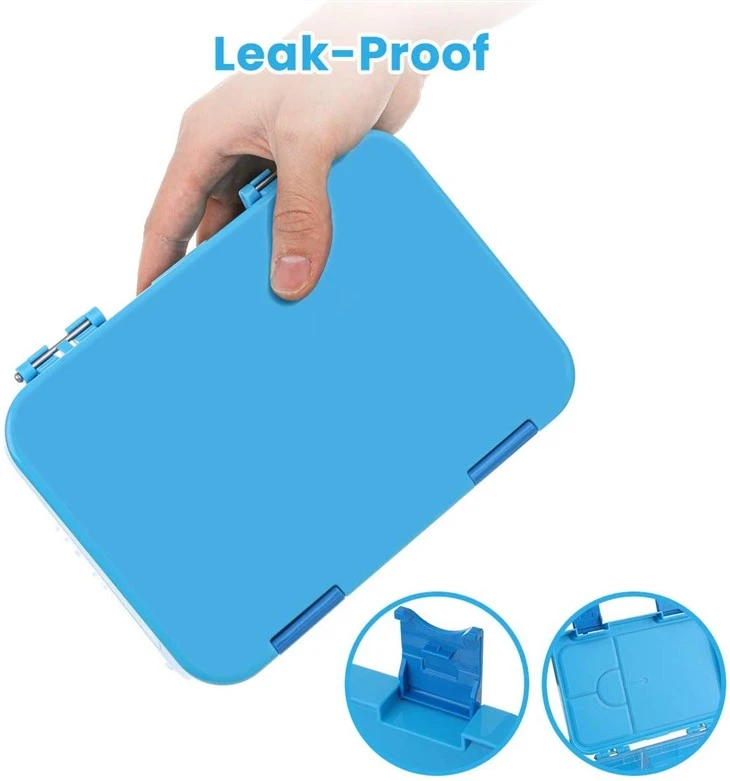
Now, when it comes to packaging these desserts in your Japanese meal boxes, Go Bento offers some great options and useful tips. You want to make sure that the desserts are well - preserved and presented neatly to enhance the overall appeal of the meal box.
If you're a restaurant owner, a school cafeteria manager, or just someone looking to supply these delicious Japanese meal boxes, I'd love to talk to you. There's a vast market for Japanese cuisine, and including these mouth - watering desserts can definitely set your meal boxes apart from the competition. Whether you need a small batch or are planning for a large - scale order, I'm here to help you create the perfect Japanese meal box with all the right desserts.

Reach out to start a conversation about your specific needs. Together, we can bring the authentic flavors of Japanese desserts to your customers' taste buds.
References
- "Japanese Desserts: A History," by Elizabeth Andoh
- "The Art of Bento," a collection of essays on traditional Japanese meal boxes
- Various culinary blogs and forums dedicated to Japanese cuisine