

In today's environmentally - conscious world, eco - friendly products are in high demand. As a proud supplier of Eco Bento, I often get asked the question: "How long does an Eco Bento last?" This blog post aims to delve into this question and provide you with a comprehensive understanding of the lifespan of our Eco Bento products.
Factors Affecting the Lifespan of Eco Bento
Material Quality
The materials used in our Eco Bento play a crucial role in determining its longevity. Our Eco Bento is crafted from high - quality, sustainable materials. For instance, some of our products are made from biodegradable plastics that are strong and durable. These plastics are designed to withstand regular use, including daily opening and closing, stacking, and being carried around in backpacks or lunch bags.
In addition, we also offer bento boxes made from natural materials such as bamboo. Bamboo is known for its strength and resistance to wear and tear. It has a natural grain structure that makes it less likely to crack or break easily. However, the quality of the bamboo also matters. Our bamboo bento boxes are sourced from high - grade bamboo that has been properly treated to enhance its durability.
Usage Patterns
How you use your Eco Bento can significantly impact its lifespan. If you use your bento box gently, for example, by opening and closing the lids carefully and avoiding dropping it, it will last longer. On the other hand, rough handling can lead to damage. For instance, if you frequently slam the lids shut or toss the bento box around, it may cause the hinges to break or the box to crack.
The frequency of use also matters. If you use your Eco Bento every day, it will experience more wear and tear compared to using it once a week. However, our products are designed to withstand regular, daily use. We have conducted extensive testing to ensure that they can handle the rigors of daily life.
Cleaning and Maintenance
Proper cleaning and maintenance are essential for extending the lifespan of your Eco Bento. After each use, it is important to wash the bento box thoroughly. For plastic bento boxes, you can usually wash them in the dishwasher on a gentle cycle. However, it is advisable to check the product instructions first. For bamboo bento boxes, hand - washing with mild soap and warm water is recommended. Avoid using abrasive cleaners or scrubbers, as they can scratch the surface of the bento box and make it more prone to damage.
Drying the bento box completely before storing it is also crucial. Moisture can lead to the growth of mold and mildew, which can damage the box over time. Make sure to store your Eco Bento in a dry place, away from direct sunlight and extreme temperatures.
Average Lifespan of Different Types of Eco Bento
Plastic Eco Bento
Our plastic Eco Bento, especially those made from high - quality, food - grade plastics, can last for several years with proper care. On average, you can expect a well - maintained plastic bento box to last between 3 to 5 years. This is because plastic is a relatively durable material that can withstand regular use and cleaning.

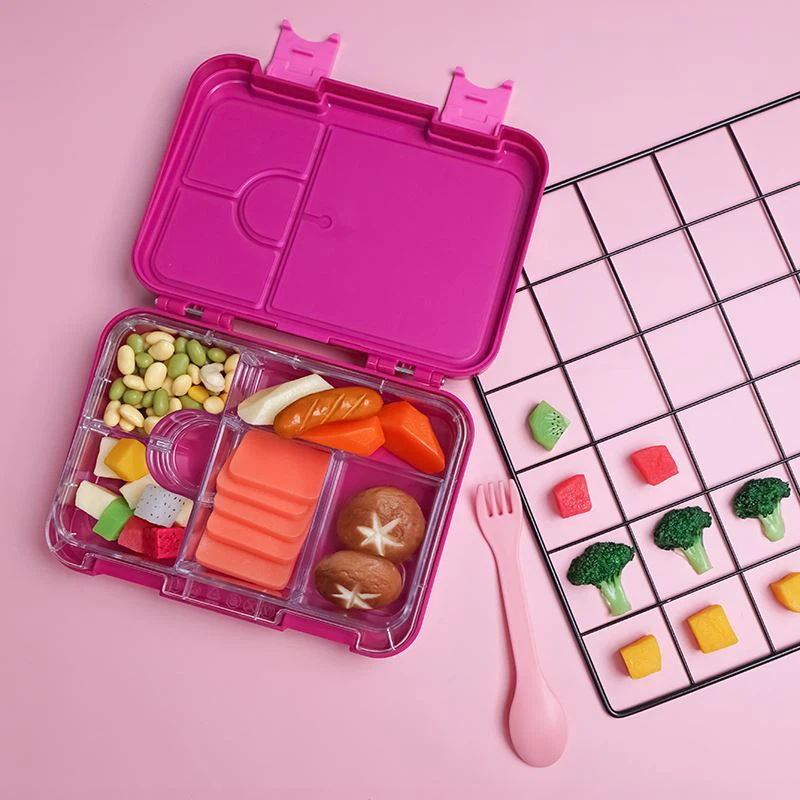
However, over time, the plastic may start to show signs of wear, such as scratches or discoloration. This does not necessarily mean that the bento box is no longer usable, but it may affect its aesthetic appeal. If you notice any significant cracks or damage to the plastic, it is advisable to replace the bento box to ensure food safety.
Bamboo Eco Bento
Bamboo bento boxes have a slightly different lifespan. With proper care, a bamboo bento box can last for 2 to 4 years. Bamboo is a natural material, and it may be more susceptible to damage from moisture and insects. However, our bamboo bento boxes are treated to resist these issues.
Regular oiling can also help to maintain the bamboo's integrity. Applying a thin layer of food - grade mineral oil every few months can keep the bamboo looking new and prevent it from drying out and cracking.
Our Product Range and Their Durability
We offer a wide range of Eco Bento products, each with its own unique features and durability. Our Bento Lunchboxes are designed with functionality and durability in mind. They are made from high - quality materials that can withstand the daily demands of packing and transporting meals.
Our Bentoboxes come in various sizes and designs to suit different needs. Whether you need a small bento box for a snack or a large one for a full - meal, we have you covered. The materials used in these bentoboxes are carefully selected to ensure long - lasting performance.
One of our popular products is the Leak Proof 6 Compartment Lunch Box. This lunch box is not only leak - proof but also very durable. The compartments are designed to keep different types of food separate, and the lid fits tightly to prevent spills. With proper care, this lunch box can serve you well for many years.
Extending the Lifespan of Your Eco Bento
Here are some additional tips to help you extend the lifespan of your Eco Bento:
- Use protective sleeves: Consider using a protective sleeve or case for your bento box. This can prevent scratches and damage from impacts.
- Avoid overfilling: Do not overfill the bento box, as this can put extra stress on the lids and hinges.
- Inspect regularly: Check your bento box regularly for any signs of damage. If you notice any small issues, address them promptly to prevent further damage.
Conclusion
In conclusion, the lifespan of an Eco Bento depends on several factors, including material quality, usage patterns, and cleaning and maintenance. With proper care, our Eco Bento products can last for several years, providing you with a sustainable and cost - effective way to pack your meals.
If you are interested in purchasing our Eco Bento products or have any questions about their durability, please feel free to reach out to us. We are always happy to assist you with your procurement needs and engage in further discussions.
References
- "The Durability of Sustainable Materials in Food Containers" - Journal of Sustainable Packaging
- "Best Practices for Cleaning and Maintaining Bento Boxes" - Food Packaging Magazine